
Rising Fertilizer Prices Could Impact New York Farmers and Schenectady Businesses
Global tensions affecting the Strait of Hormuz are beginning to impact agriculture in the United States, including farmers in New York State. About one-third of the world’s seaborne fertilizer moves through this shipping route, and Persian Gulf countries export nearly half of the world’s urea and 30 percent of its ammonia, both key nutrients used in farming. Concerns about disruptions have already pushed fertilizer prices up about 30 percent in recent weeks.
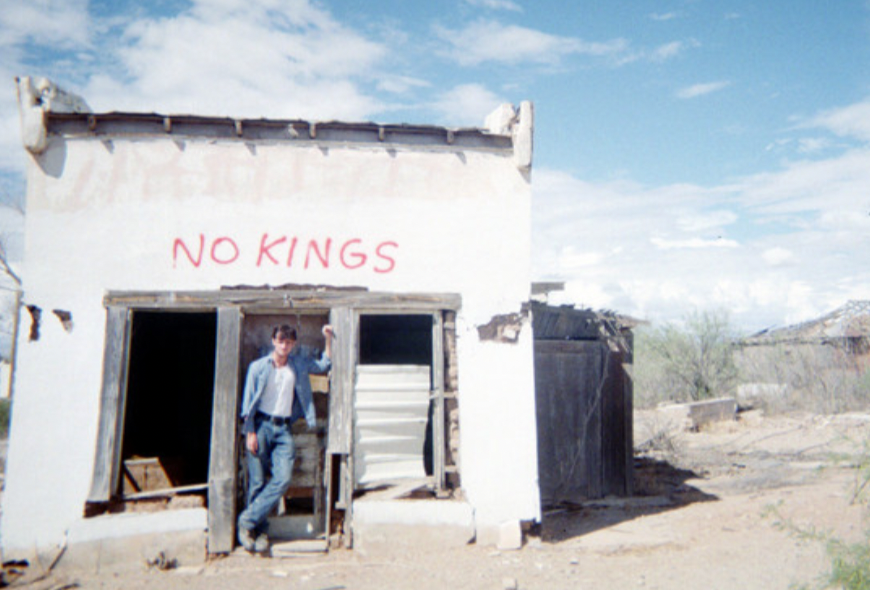
JOLT HEAD (Brian Henglein) Releases Visual Album Public Land and Private Moments
Musician Brian Henglein, performing under the name JOLT HEAD, released his visual album Public Land and Private Moments on January 27, 2026. The project blends music and film into a single experience, pairing Henglein’s powerful lyrics with striking imagery of the American landscape.

mel: Music Beyond the Algorithm
mel, the artist project of Melyssa Lanzieri, is a singer songwriter and producer based in Seattle whose work centers on authenticity and creative freedom. Her mission is to inspire people to reconnect with their creative side without letting social media numbers or algorithms define their art.

Nora Baier Releases Debut Album I’ll Find a Way to Pay My Fare
New York City based singer songwriter Nora Baier has released her debut album “I’ll Find a Way to Pay My Fare,” a project two years in the making that captures her emotional honesty and distinctive blend of musical influences.
The nine song album reflects Baier’s deeply personal songwriting style. Rooted in 60s and 70s folk with the grit of 90s grunge and alternative, her music balances vulnerability, raw emotion, and storytelling. Baier describes the album as a piece of herself, saying her spirit lives in each song and that she hopes the music keeps listeners company on walks, drives, and quiet moments.
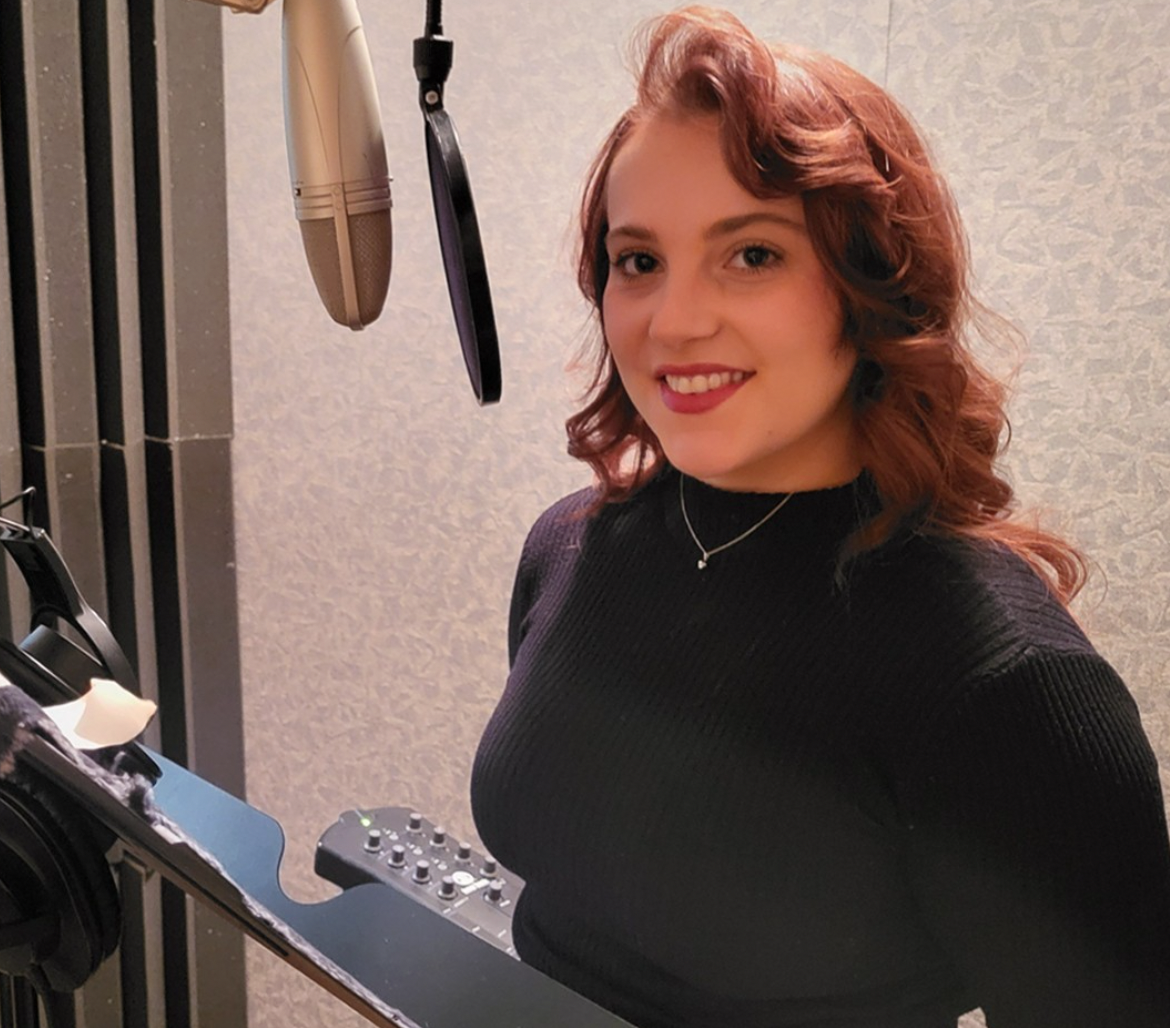
Jennifer “Jenny Marie” Dahnke: A Voice Lifting the Capital Region
Jennifer Dahnke, known by many as Jenny Marie, has become one of the Capital Region’s most uplifting creative forces. A singer, organizer, and community builder, Jenny measures success not only by her own accomplishments, but by how many artists she can help bring with her.
Her love for music began early, inspired by her father, a musician who passed away when she was only eleven years old. That loss deeply shaped her path. Jenny poured her grief into music, developing a powerful voice and a deep commitment to the craft.
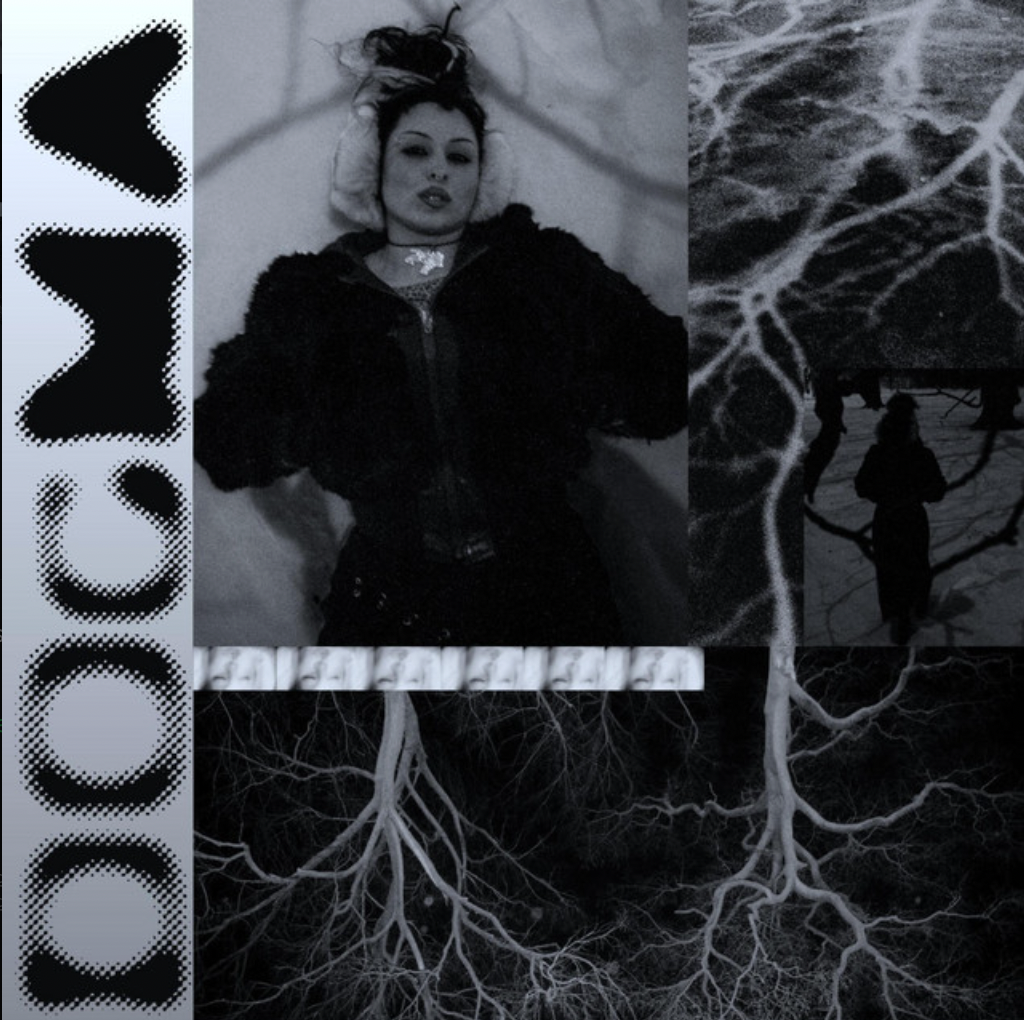
Sister Mary Margaret Releases New Project “DOGMA”
Brooklyn based interdisciplinary artist Sister Mary Margaret has released “DOGMA,” a new project featuring two songs: “There was supposed to be a bloom, I thought” and “How come I grow like a root?” The release marks her first new music since her debut project Proud Mary.
The Last Week in Orlondo’s Campaign
The last week of Orlondo’s campaign for Mayor of Schenectady marked a major turning point, as public support, policy clarity, and momentum accelerated across the city. After releasing a widely shared public letter addressing rising costs, failing infrastructure, and accountability at City Hall, Orlondo sparked renewed discussion among residents and state leaders alike. The campaign focused on practical issues affecting daily life including sidewalk safety, road damage, and the responsibility of local government to insure and reimburse residents when public systems fail. By raising clear questions about transparency, local control, and the growing gap between what families pay and the services they receive, Orlondo’s campaign continues to position itself as a people centered movement focused on results, urgency, and rebuilding trust in Schenectady’s government.

5 Reasons Why It’s a Conflict of Interest for Schenectady’s Mayor to Sit on the Metroplex Board
In Schenectady, the mayor is supposed to serve the people. But when the mayor also sits on the board of Metroplex, the county’s powerful development authority, it raises serious questions about fairness and accountability. Here are five reasons why this arrangement is a conflict of interest.

Schenectady Needs Union College to Step Up
In Schenectady, property taxes keep climbing. City Hall is cutting overtime, reducing services, and even slashing youth programs. Families are asked to pay more and get less. Meanwhile, Union College continues to grow, taking more property off the tax rolls while contributing only a fraction of what is fair.
Union, like other large nonprofits, does not pay property taxes on its campus buildings. Instead, it makes voluntary PILOT payments, which means Payment in Lieu of Taxes. The idea is that when an institution removes property from the tax rolls, it pays something back to the city to offset the loss. In practice, these payments do not come close to what the city loses in revenue.

Metroplex Collects Millions While City Hall Cuts Back
Schenectady families are being asked to pay more and accept less. City Hall is cutting overtime for workers, scaling back youth programs, raising fees and fines, and preparing residents for another round of property tax increases. Yet at the very same time, Metroplex continues to collect millions of dollars every year, not through local votes but by statutory authority.
Orlondo Otis Hundley

Why is Schenectady City Hall Cutting While Metroplex Spends?
Metroplex is the Schenectady County Metroplex Development Authority, a public agency created in 1998 to promote economic development. It raises revenue through a dedicated half-percent county sales tax, generating millions of dollars each year. Instead of going to city or town budgets, that money is controlled by Metroplex and directed into development projects, subsidies, and infrastructure aimed at attracting businesses and investment.

John Mootooveren Says “Tighten Our Straps” But Blocks Protections for the People
Mootooveren was one of the loudest voices against Good Cause Eviction, a law that would have given renters basic security. It would not have frozen rents or stopped landlords from making a fair return, but it would have prevented sudden, unjust evictions and rent spikes that push families out of their homes. With Schenectady rents rising faster than wages, defeating that protection left thousands of people vulnerable.

Internet Outage Shows Our Fragile Digital World
On October 20th, a massive internet outage rippled across the globe after Amazon Web Services (AWS) suffered a failure in its U.S. data centers. Apps like Snapchat, Venmo, and even government services went dark for hours. The cause was traced back to a DNS error, a small glitch in the “address book” of the internet that had big consequences.

Mayor Gary McCarthy’s Call for Expanded Automated Speed Cameras in Schenectady
Mayor Gary McCarthy has called for automated speed cameras to be installed beyond just school zones in Schenectady. The stated goal is to reduce speeding across the city and address the gap in municipal revenue caused by missing or declining sources of income.

Antonio Delgado and Larry Sharpe: Two Ways to Challenge the Status Quo
New York’s next race for governor brings together two candidates who both want to shake things up, but in very different ways. Antonio Delgado and Larry Sharpe each represent a challenge to the status quo, one from inside the system and the other from far outside it.

Sister Mary Margaret’s “Proud Mary”
After a summer of striking visuals and artistic collaborations, Sister Mary Margaret is ready to release her debut album Proud Mary, a project that blurs the boundaries between classical discipline, experimental sound, and raw self-exploration.

✨ Twilight on Erie | Saturday, October 18th | 3PM – 8PM ✨
Come join us for an unforgettable evening of live music, food, refreshments, and community at the Boho & Brass Warehouse, located at 140 Erie Blvd, Schenectady, New York.
We’ll be showcasing incredible performers from across the Capital Region and across all genres, bringing together sounds and styles for a showcase unlike anything you’ve ever experienced. As the music fills the warehouse, take the opportunity to connect with friends, meet new people, and browse through antique and vintage treasures spread throughout the space.

Upstate Ny — The Creative Economy’s Long Fight and New Battle for Independence
From 2015 to 2025, a quiet but powerful cultural shift has been reshaping local economies across the United States, nowhere more clearly than in Upstate New York. In cities like Schenectady, Troy, Buffalo, and Kingston, artists, musicians, performers, and independent creators have fought to reclaim the value of their work. They dismantled exploitative systems and built new models rooted in direct relationships with their communities. What began as a rebellion against corporate record labels, gallery gatekeepers, and ticketing monopolies blossomed into a grassroots economy defined by community, autonomy, and creative control.
By bypassing traditional middlemen and turning to locally run marketplaces and independent platforms, creators built revenue streams that supported both artistic freedom and local reinvestment. The dream was not just to escape corporate oversight. It was to forge cities and towns where creativity itself served as infrastructure.

A City for People Not Traffic: Why Schenectady Should Say No to a Drive Thru Starbucks on Erie Boulevard
Local Businesses Deserve Support
Downtown Schenectady already has a number of successful and beloved locally owned coffee shops. Arthur’s, Moon and River Cafe, Graham’s, Bud’s, Take Two, and Storied Coffee all serve the community within walking distance of the proposed development site. A new Starbucks with a drive thru would place unfair pressure on these businesses, pulling customers away from entrepreneurs who have invested in Schenectady’s revival.
“It would be so much better to support local businesses,” said Tara, a nearby resident. “We have wonderful coffee shops downtown. I’d rather see less car traffic, more pedestrians, and fewer chain establishments.”

Why Tree Equity Matters: Reclaiming Shade, Value, and planting trees in Our Communities
Tree equity is the principle that all people regardless of income or race deserve access to the benefits that trees provide. These benefits include cleaner air, cooler temperatures, higher property values, and improved health. Across the country, tree canopy maps consistently show that Black, Latino, and low-income neighborhoods have fewer trees than wealthier areas.
This disparity is not accidental. It is the result of decades of policy choices, environmental racism, and unequal investment. Tree equity is not just about planting saplings. It is about restoring justice and creating long-term systems of care.